

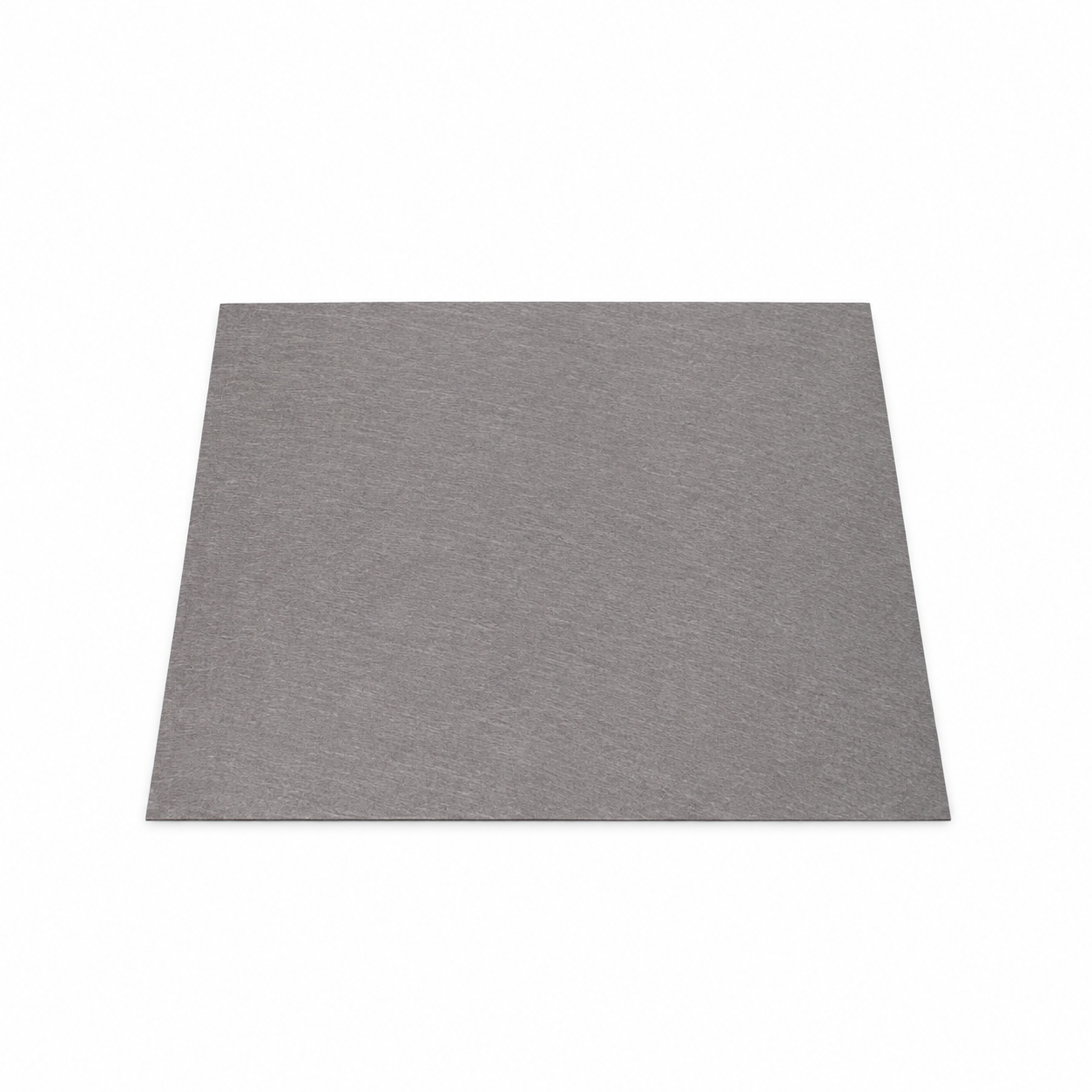
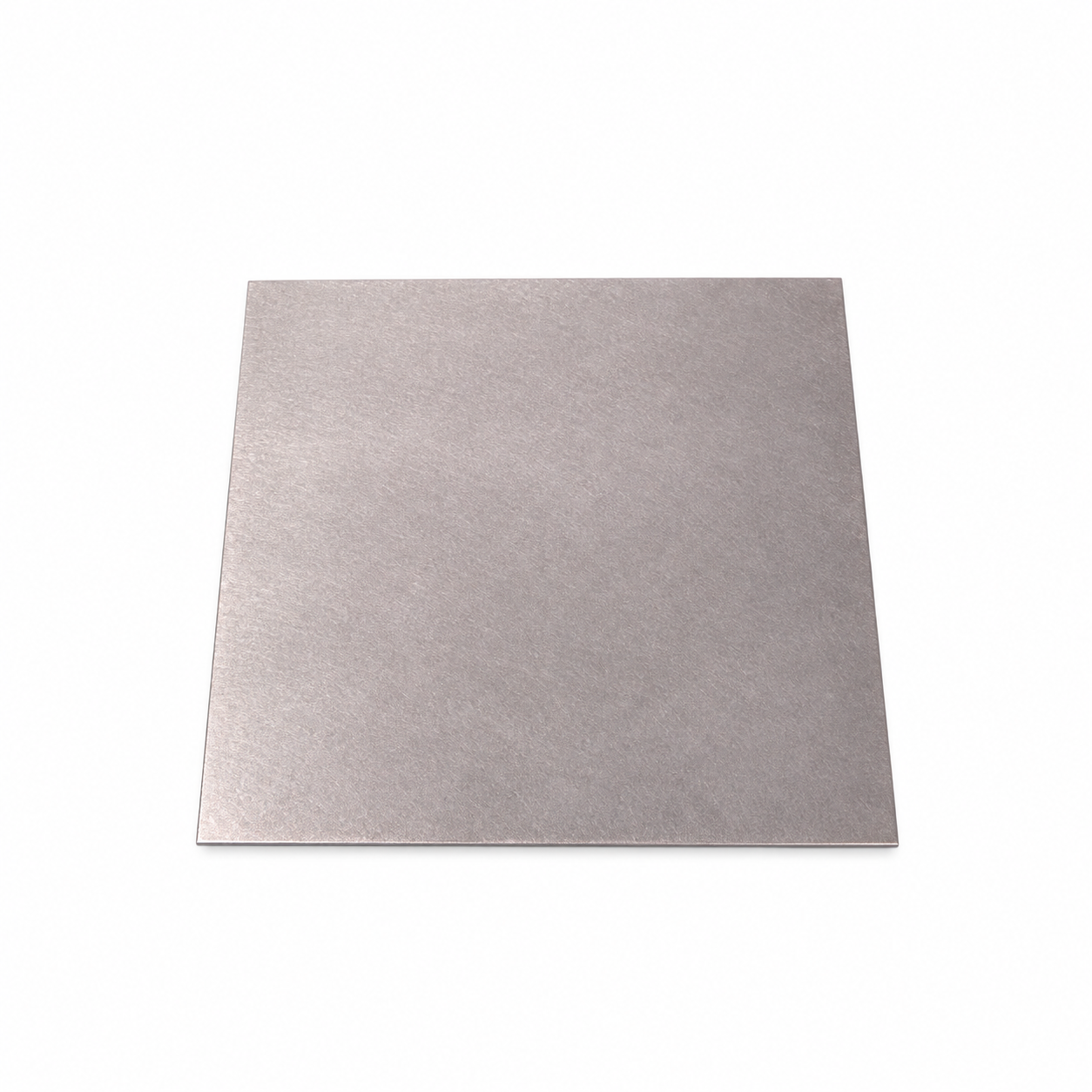
Platinized Nickel Fiber Paper – Vacuum Thermal Coating
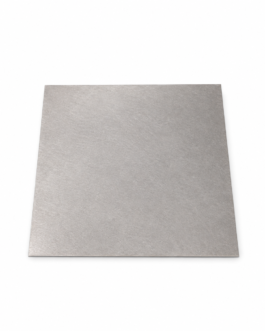
Platinized Nickel Fiber Paper features a high-purity nickel fiber network coated with platinum using a controlled vacuum thermal coating process.
The uniform Pt layer enhances electrical conductivity, surface stability, corrosion resistance, and electrochemical performance.
Its porous structure supports efficient gas/electrolyte transport and catalyst interaction, with Pt loading customizable from 0.1–10 mg/cm².
Ideal for electrolyzer PTLs, battery current collectors, fuel-cell components, electrocatalysis, and energy-storage research.
Description
Research Grade Platinized Nickel Fiber Paper – Vacuum Thermal Coating
Research Grade Platinized Nickel Fiber Paper is a porous, electrically conductive nickel-fiber substrate modified with a platinum coating using a controlled vacuum thermal deposition process. The resulting composite combines the three-dimensional porous structure of nickel fiber paper with the chemical stability and conductivity of platinum.
The interconnected fiber architecture provides pathways for gas and liquid transport while maintaining electrical connectivity throughout the substrate. Depending on the platinum loading and final surface characteristics, the material can be used as a conductive porous substrate, catalyst support, current-collection material, or functional electrode component in electrochemical research.
Product Overview
The nickel fiber paper is manufactured from high-purity nickel fibers that are consolidated into a mechanically stable three-dimensional porous structure. Platinum is subsequently deposited onto the fiber surfaces under controlled vacuum and thermal conditions.
The coating process is designed to achieve good coverage and adhesion across the accessible fiber network while maintaining the underlying porous structure. Platinum loading, substrate thickness, and porosity can be adjusted according to the requirements of the intended application.
The material is particularly useful for research involving electrochemical energy conversion, water electrolysis, fuel cells, batteries, and other electrochemical systems where a conductive and chemically stable porous structure is required.
Key Features
High Electrical Conductivity
The nickel fiber framework provides continuous conductive pathways, while the platinum coating creates a stable conductive surface. This combination can facilitate efficient electrical contact between the porous substrate and catalyst or adjacent cell components.
Controlled Platinum Loading
Platinum loading can be customized within approximately 0.1–10 mg/cm², depending on the intended application. The appropriate loading should be selected based on catalyst requirements, electrochemical conditions, target performance, and cost considerations.
Controlled Surface Coating
Vacuum thermal processing enables controlled deposition of platinum over the accessible surfaces of the nickel-fiber network. Appropriate coating parameters can be selected to achieve the desired surface coverage while retaining the porous characteristics of the substrate.
Enhanced Surface Stability
The platinum-modified surface can provide improved chemical stability compared with an uncoated nickel surface in environments where nickel oxidation or corrosion is a concern. Actual durability depends on electrolyte composition, potential, temperature, pressure, and operating time.
Customizable Porous Structure
Nickel fiber papers with different thicknesses, porosities, and dimensions can be supplied to accommodate different electrode architectures and experimental configurations.
Benefits of Vacuum Thermal Platinum Coating
Improved Coating Adhesion
Controlled thermal processing under vacuum can promote strong interaction between the deposited platinum and the nickel-fiber substrate. Proper process optimization helps reduce coating loss during handling and electrochemical operation.
Stable Conductive Interface
The platinum surface provides a conductive interface that can be advantageous in electrochemical assemblies requiring stable electrical contact over extended operation.
Potential for Electrocatalytic Applications
Unlike very low-loading protective platinum coatings, higher platinum loadings can provide a greater amount of electrochemically accessible platinum. Therefore, depending on the coating morphology, loading, and application, the material can also be investigated as a platinum-containing electrode or catalyst support.
Catalytic performance should be evaluated for the specific reaction and operating conditions rather than inferred solely from the presence of platinum.
Protection of the Nickel Substrate
A suitably deposited platinum layer can reduce direct exposure of the nickel substrate to the surrounding environment and may help limit surface degradation. The degree of protection depends on coating coverage, defects, operating conditions, and the chemical environment.
Applications
1. Electrolyzer and Water-Electrolysis Research
Platinized nickel fiber paper can be investigated as a conductive porous component in electrochemical water-splitting systems, including:
- Hydrogen evolution reaction (HER) electrodes
- Oxygen evolution reaction (OER) electrode structures
- Porous conductive supports
- Catalyst-support frameworks
- Experimental porous transport structures
- Research-scale electrolyzer assemblies
Its open three-dimensional structure provides pathways for electrolyte movement and gas removal while maintaining electrical connectivity.
2. Fuel Cell Applications
The material may be used as a conductive porous substrate or current-collection component in selected fuel-cell configurations where the nickel/platinum combination is compatible with the operating environment.
Potential uses include:
- Electrode support structures
- Catalyst supports
- Current-collection components
- Experimental gas-diffusion structures
3. Battery and Energy-Storage Research
The conductive and porous structure can be evaluated for applications such as:
- Current collectors
- Porous electrode supports
- Catalyst-supported battery electrodes
- Specialized electrochemical energy-storage systems
- Research-scale flow-battery components
Material compatibility should be confirmed for the specific electrolyte and electrode chemistry.
4. Electrocatalyst Supports
The three-dimensional nickel framework offers a high-area platform for incorporating additional catalytic materials. Platinum coating can also be combined with other catalyst systems where a conductive and chemically stable surface is required.
Customization Options
Youveim® Research Grade Platinized Nickel Fiber Paper can be customized according to application requirements.
Platinum Loading
Available platinum loading can be tailored within approximately:
0.1–10 mg/cm²
The optimum loading depends on whether the primary objective is surface modification, corrosion protection, electrical-contact enhancement, or catalytic functionality.
Thickness
Different nickel fiber-paper thicknesses can be supplied to accommodate variations in:
- Cell compression
- Electrode thickness
- Gas/liquid transport requirements
- Current-collection design
- Mechanical support requirements
Porosity
The porous structure can be selected or customized according to the desired balance between:
- Mass transport
- Catalyst accessibility
- Electrical conductivity
- Mechanical strength
- Pressure drop
Dimensions
Standard and custom dimensions are available for laboratory cells, test fixtures, electrode assemblies, and prototype devices.
Important Consideration
The platinum coating serves different functions depending on its loading and morphology. At relatively low loading, it may primarily function as a conductive and protective surface modification. At higher loading with suitable platinum surface accessibility, it may additionally contribute to electrochemical catalysis.
Consequently, platinum loading alone should not be used as the sole indicator of catalytic performance. Factors such as particle size, dispersion, surface area, coating morphology, adhesion, and electrochemical accessibility also influence the final electrode performance.
Recommended Use
Youveim® Research Grade Platinized Nickel Fiber Paper – Vacuum Thermal Coating is intended for research, development, prototyping, and specialized electrochemical applications requiring a porous nickel-fiber architecture combined with a platinum-modified surface.
The product can be supplied with customized platinum loading, thickness, porosity, and dimensions to support specific experimental and device requirements.
Reviews
There are no reviews yet.