

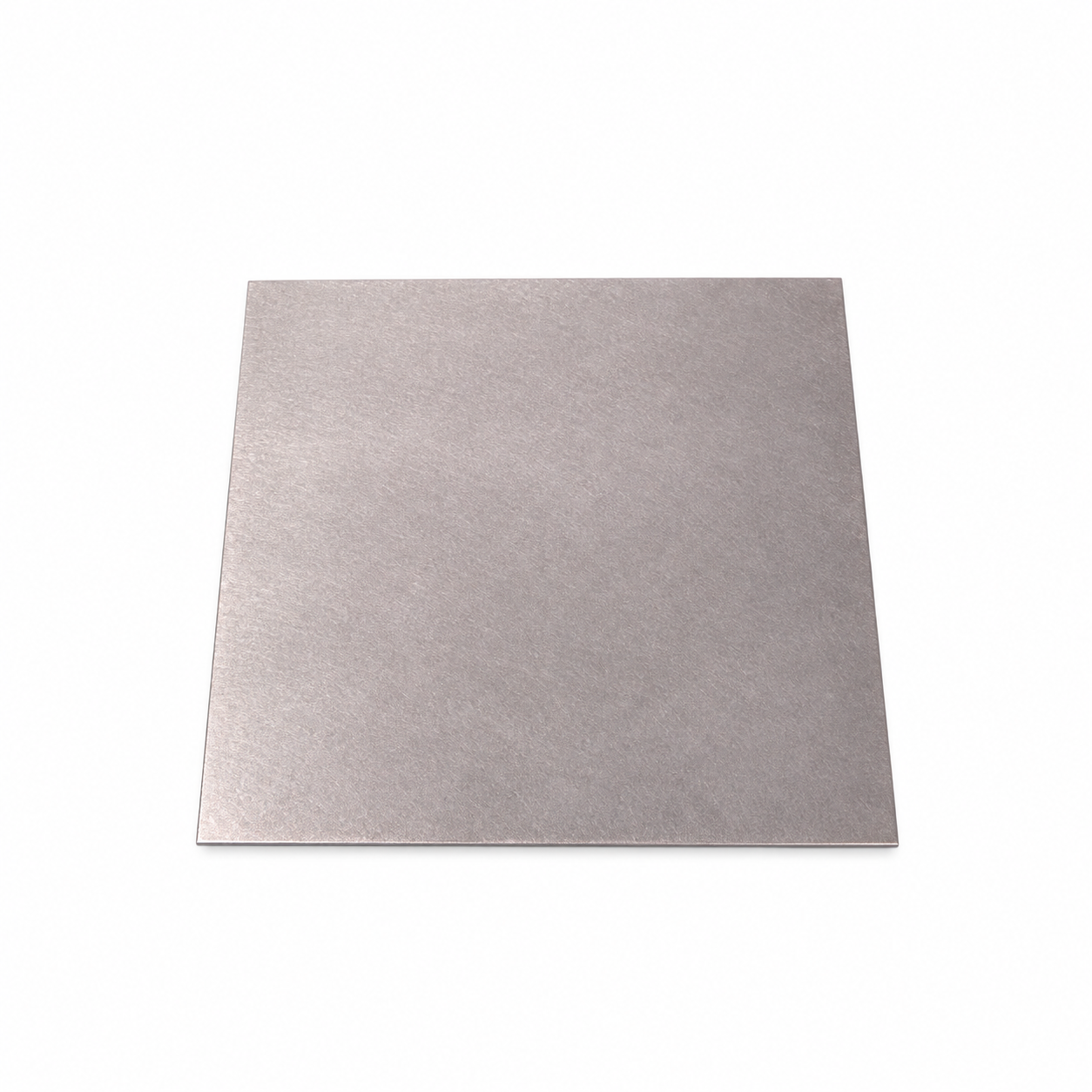
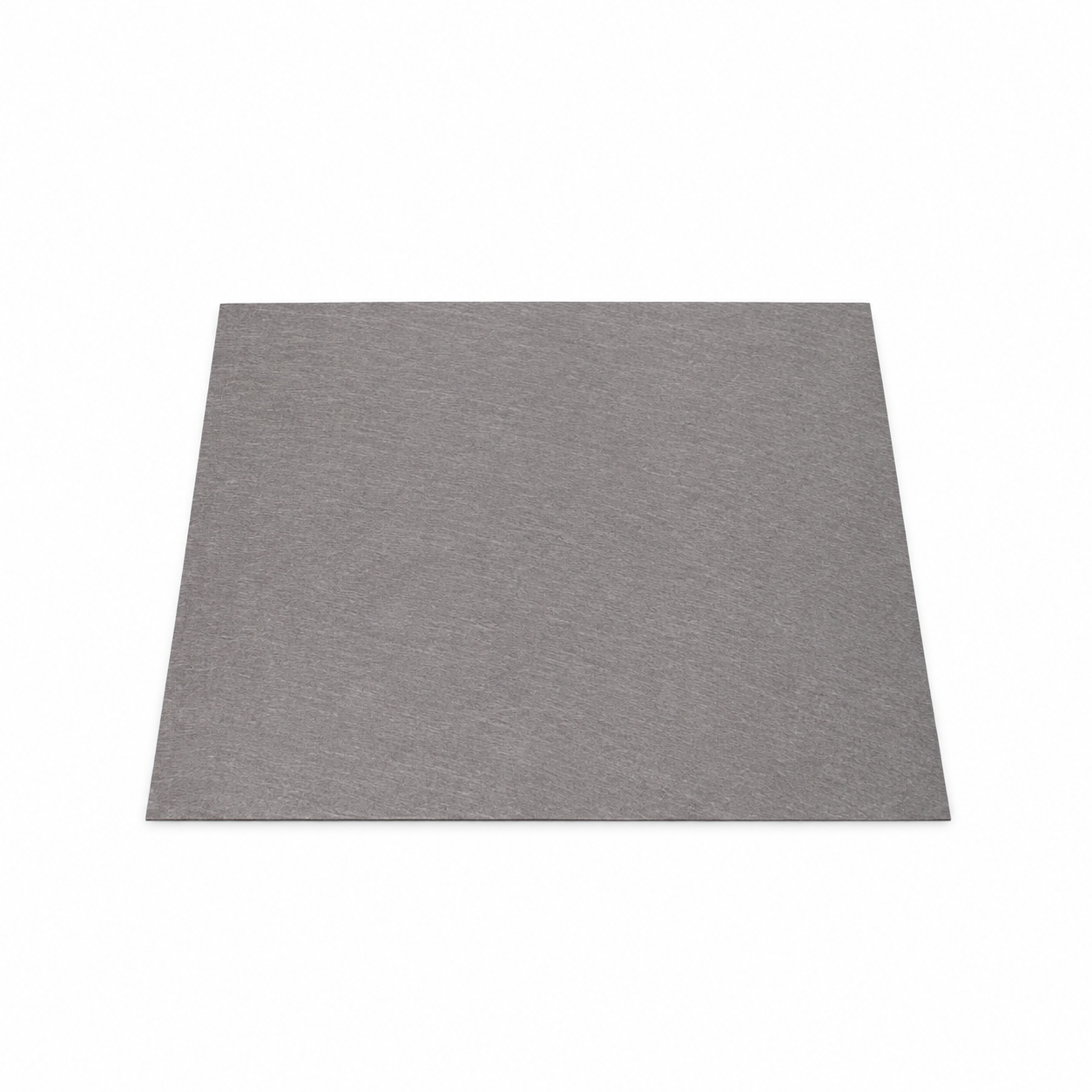
Hydrophilic Nickel Fiber Paper
Description
Hydrophilic Nickel Fiber Paper (Nickel Felt)
In electrochemical technologies such as water electrolysis, fuel cells, and energy-storage systems, the interaction between the electrode substrate and electrolyte can have a significant influence on device performance. Parameters such as surface wettability, electrical conductivity, mechanical stability, and resistance to chemical degradation become increasingly important under high current densities and extended operating conditions.
Youveim® Hydrophilic Nickel Fiber Paper is designed to address these requirements by combining a highly conductive nickel-fiber framework with a specially treated hydrophilic surface. The resulting porous material provides improved electrolyte penetration and gas–liquid transport while retaining the mechanical and electrical characteristics of the underlying nickel structure.
Product Overview
Hydrophilic Nickel Fiber Paper is manufactured from high-purity nickel fibers that are consolidated through a controlled sintering process. The interconnected fibers form a three-dimensional porous structure with a large accessible surface area and continuous electrical pathways.
A specialized surface treatment gives the material hydrophilic characteristics on both sides, allowing electrolytes to spread and penetrate the porous network more readily than on untreated hydrophobic or poorly wetting surfaces.
This combination of porosity, electrical conductivity, wettability, mechanical strength, and processability makes the material suitable for use as an electrode substrate, catalyst support, conductive framework, or current-collection component in a variety of electrochemical systems.
Benefits of the Hydrophilic Surface
Improved Electrolyte Wetting
The hydrophilic surface promotes rapid penetration of aqueous electrolytes into the interconnected pore structure. This can help establish more uniform contact between the electrolyte and active electrode regions.
Improved Gas–Liquid Transport
The open fiber network provides pathways for electrolyte movement and gas removal. Improved wetting and pore accessibility can help reduce the accumulation of gas bubbles within the electrode structure.
Reduced Mass-Transport Limitations
Better electrolyte access to the internal surface area can support more effective reactant transport, particularly when the electrode is operated at elevated current densities.
Suitable for High-Load Electrochemical Operation
The combination of a conductive nickel framework and enhanced wettability makes this material particularly useful for research involving alkaline water electrolysis and anion-exchange membrane (AEM) electrolysis.
Key Performance Characteristics
High Electrical Conductivity
The interconnected nickel fibers form continuous conductive pathways throughout the substrate, supporting efficient electron transport between the catalyst layer and current-collecting components.
Mechanical and Structural Stability
The sintered fiber network provides good resistance to compression and bending while retaining its porous architecture. This makes it suitable for electrode fabrication and cell assembly where controlled compression is required.
Chemical Stability in Alkaline Media
Nickel is widely used in alkaline electrochemical systems because of its compatibility with alkaline electrolytes. The substrate is suitable for applications where nickel-based materials are appropriate for the operating potential, electrolyte, temperature, and duration.
High Porosity and Accessible Surface Area
The three-dimensional structure provides a large internal surface area for catalyst deposition and electrochemical reactions while maintaining interconnected pathways for electrolyte and gas transport.
Easy Processing
The material can be cut into different geometries and incorporated into various electrode architectures. It can also be compressed or shaped according to the requirements of the experimental cell or device.
Typical Applications
1. Water Electrolysis
Hydrophilic nickel fiber paper can be used as a porous conductive substrate for:
- Alkaline water-electrolysis HER electrodes
- Alkaline water-electrolysis OER electrodes
- AEM electrolyzer electrode structures
- Catalyst-coated porous electrodes
- High-current-density electrolysis research
2. Fuel Cells and Energy Storage
Potential applications include:
- Electrode substrates for alkaline fuel cells
- Supercapacitor electrode structures
- Conductive supports for battery electrodes
- Current-collection components for specialized energy-storage systems
- Emerging electrochemical energy-conversion technologies
3. Catalyst Supports
The interconnected porous structure provides a suitable foundation for depositing catalytic materials, including:
- Nickel-based catalysts
- Transition-metal catalysts
- Noble-metal catalysts
- Metal oxides and hydroxides
- HER and OER electrocatalysts
Catalysts can be incorporated through spraying, impregnation, electrodeposition, chemical deposition, or other suitable coating methods.
4. Electrochemical Sensors
The combination of electrical conductivity, high accessible surface area, and electrolyte wettability makes the material suitable for developing experimental electrochemical sensors and functional electrode platforms.
Electrode Fabrication Compatibility
Youveim® Hydrophilic Nickel Fiber Paper can be integrated with several catalyst-loading and electrode-manufacturing techniques, including:
- Conventional catalyst spraying
- Ultrasonic spray coating
- Catalyst impregnation
- Electrodeposition
- Chemical deposition
- Other solution-based catalyst-loading techniques
It can also be used with commonly employed binder systems such as PTFE, PVDF, and Nafion®, provided the selected binder is compatible with the intended electrolyte and operating conditions.
The hydrophilic surface can promote more uniform distribution of aqueous catalyst formulations and improve interaction between the coating and porous substrate.
Recommended Cleaning Procedure
Before catalyst deposition or electrochemical testing, appropriate cleaning can be used to remove handling residues and surface contaminants.
A general laboratory cleaning procedure is:
- Place the nickel fiber paper in anhydrous ethanol or deionized water.
- Ultrasonically clean for approximately 5–10 minutes.
- Remove the substrate carefully and allow excess liquid to drain.
- Dry at approximately 60–80 °C for at least 2 hours, or dry under vacuum when appropriate.
- Avoid aggressive rubbing, scraping, or mechanical abrasion, which may disturb the fiber network or damage the surface treatment.
The cleaning procedure should be adjusted according to the requirements of the intended catalyst, binder, electrolyte, and experimental protocol.
Storage Recommendations
For best performance, store the material under controlled conditions:
- Keep the material sealed and protected from dust and contaminants.
- Store in a dry environment.
- Recommended storage temperature: 5–30 °C.
- Recommended relative humidity: below 60% RH.
- Avoid prolonged exposure to moisture or corrosive atmospheres.
- Do not place heavy objects on the material during storage.
- Minimize excessive bending or deformation of the fiber paper.
Why Choose Hydrophilic Nickel Fiber Paper?
Hydrophilic Nickel Fiber Paper combines the inherent advantages of a three-dimensional nickel-fiber substrate with enhanced surface wettability. This provides researchers with a versatile platform for developing high-performance electrodes, catalyst-supported structures, porous current collectors, and electrochemical devices.
Its combination of electrical conductivity, open porosity, mechanical stability, hydrophilic surface characteristics, and fabrication flexibility makes it particularly valuable for laboratory research, prototype development, and pilot-scale electrochemical systems.
Reviews
There are no reviews yet.