

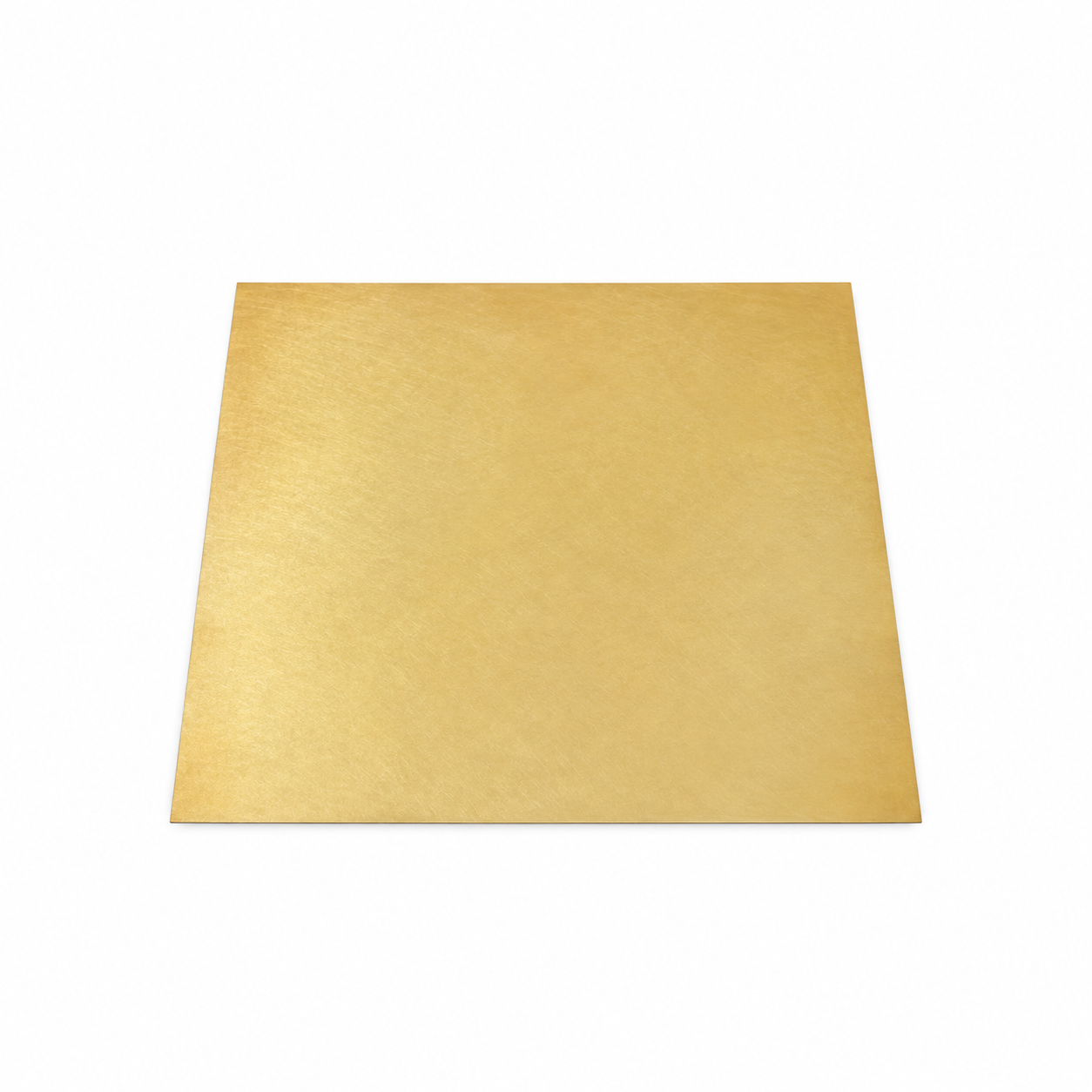
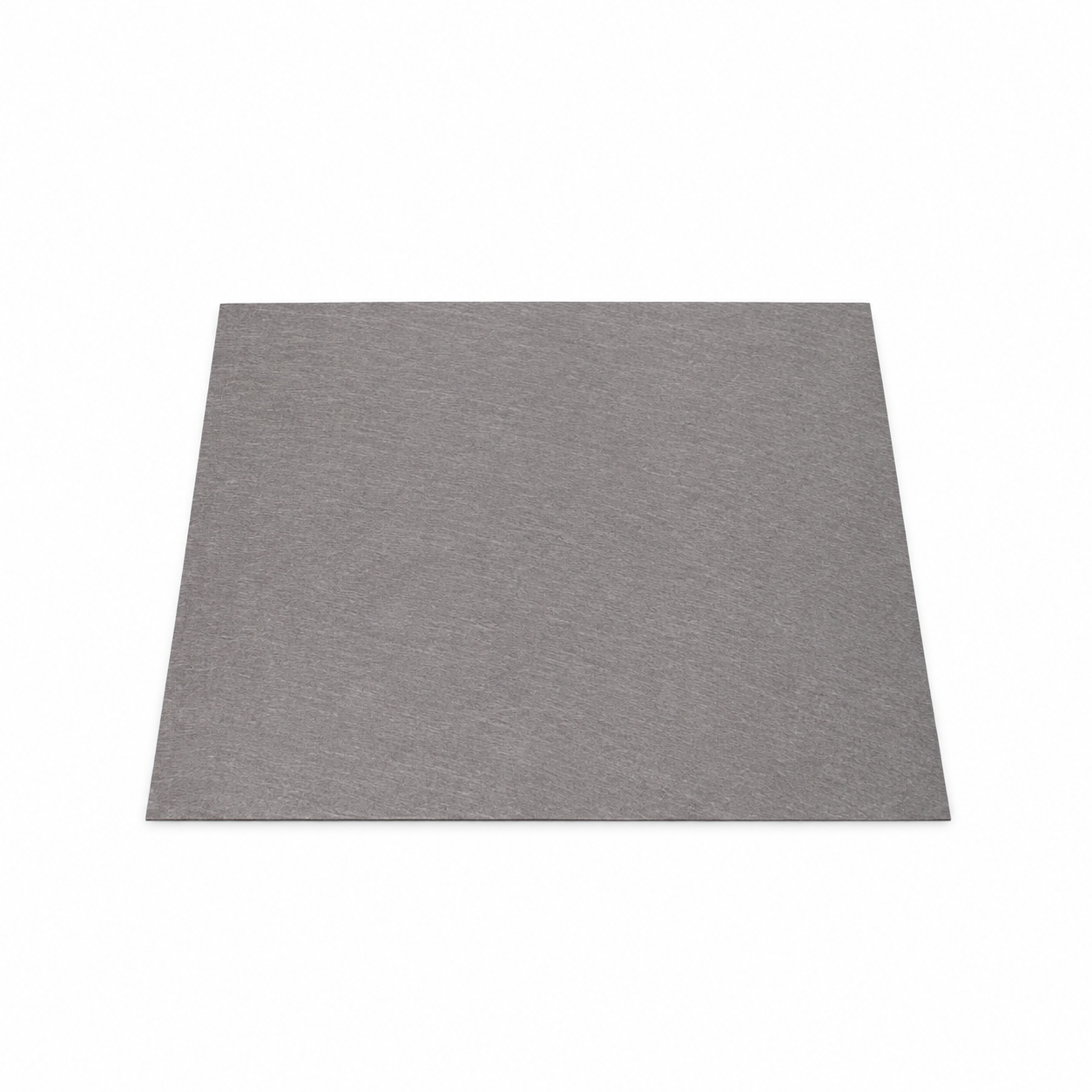
Nickel Fiber Paper
Youveim® Research-Grade Nickel Fiber Paper
Nickel Fiber Paper is a porous, highly conductive material manufactured from high-purity nickel fibers using a controlled sintering process.
Its interconnected 3D structure provides high surface area, efficient electron transport, mechanical strength, and excellent electrolyte/gas transport.
The nickel substrate is particularly suitable for alkaline electrochemical environments and provides an effective platform for catalyst deposition.
Ideal for water electrolysis, HER/OER electrodes, electrocatalysis, fuel cells, batteries, supercapacitors, and electrochemical sensors.
Description
Research-Grade Nickel Fiber Paper
Research-Grade Nickel Fiber Paper is a porous, electrically conductive substrate manufactured by consolidating high-purity nickel fibers through a controlled sintering process. The resulting three-dimensional fiber network provides a combination of electrical conductivity, mechanical robustness, open porosity, and a high accessible surface area.
The interconnected structure allows efficient electron transport while providing a suitable framework for catalyst deposition and electrochemical reactions. Its porous architecture can be particularly useful in applications where both mass transport and electrical connectivity are important.
Nickel fiber paper is well-suited for research and development in water electrolysis, electrocatalysis, fuel cells, supercapacitors, batteries, and other electrochemical devices, particularly in systems where nickel-based substrates are compatible with the operating environment.
Key Features
- High Electrical Conductivity – The interconnected nickel-fiber network provides continuous conductive pathways for efficient electron transfer.
- Mechanical Robustness – The sintered structure offers good resistance to compression, bending, and repeated handling.
- Alkaline Chemical Stability – Nickel provides good resistance to degradation in alkaline electrochemical environments, making it suitable for many alkaline electrode applications.
- High Accessible Surface Area – The three-dimensional fiber network provides substantial surface area for catalyst deposition and electrochemical reactions.
- Open Porous Structure – Interconnected pores facilitate the movement of electrolytes, gases, and reaction products through the electrode.
- Flexible Fabrication – The material can be cut, compressed, shaped, or integrated into different electrode configurations according to experimental requirements.
Main Applications
1. Electrochemical Electrodes
Nickel fiber paper can be used as a conductive electrode substrate or support for:
- Hydrogen evolution reaction (HER) electrodes
- Oxygen evolution reaction (OER) electrodes
- Alkaline water-electrolysis electrodes
- Alkaline fuel-cell electrode structures
- Other nickel-compatible electrochemical reactions
2. Energy-Storage Devices
Its conductive porous structure makes nickel fiber paper useful in various energy-storage research applications, including:
- Supercapacitor electrode substrates
- Battery electrode supports
- Conductive current-collection structures
- Three-dimensional electrode architectures
3. Catalyst Support
The open nickel-fiber framework provides a mechanically stable platform for depositing catalytic materials. It can be used as a support for:
- Transition-metal catalysts
- Noble-metal catalysts
- Metal oxides and hydroxides
- Catalysts designed for HER and OER
- Electrocatalysts used in fuel-cell and electrolysis research
4. Electrochemical Sensors
The combination of electrical conductivity and accessible surface area makes nickel fiber paper suitable for developing experimental electrochemical sensing platforms where increased electrode area and efficient charge transfer are desirable.
Electrode Fabrication by Catalyst Spraying
Nickel fiber paper can be coated with catalyst formulations using conventional spray-coating or ultrasonic-spray techniques.
Step 1 – Substrate Preparation
Cut the nickel fiber paper to the required dimensions. Clean the surface using an appropriate cleaning procedure and allow the substrate to dry completely before coating.
Step 2 – Catalyst Ink/Slurry Preparation
Prepare a homogeneous catalyst formulation by dispersing the catalyst powder together with any required conductive additive and binder, such as PTFE or PVDF, in a suitable solvent. Thorough mixing and dispersion are important for obtaining a uniform coating.
Step 3 – Catalyst Deposition
Apply the catalyst formulation onto the nickel fiber paper using a spray gun, airbrush, or ultrasonic spray system. Multiple thin passes can be used to achieve the desired catalyst loading while maintaining the porous structure.
Step 4 – Drying and Heat Treatment
Dry the coated substrate at approximately 60–80 °C or according to the requirements of the catalyst/binder system. If compatible with the formulation, a subsequent thermal treatment of up to approximately 350 °C may be used to improve coating adhesion.
Step 5 – Final Treatment and Inspection
Inspect the coated surface for uniformity, cracks, agglomeration, or excessive pore blockage. The electrode may be lightly compressed or pressed when required to achieve the desired thickness, contact, or geometry.
Recommended Use
Research-Grade Nickel Fiber Paper is intended primarily as a conductive porous substrate, electrode support, catalyst support, or current-collection material for laboratory research, prototype development, and electrochemical device fabrication.
Actual performance depends on the catalyst formulation, electrolyte, operating potential, temperature, pressure, compression, and overall cell configuration.
Reviews
There are no reviews yet.