

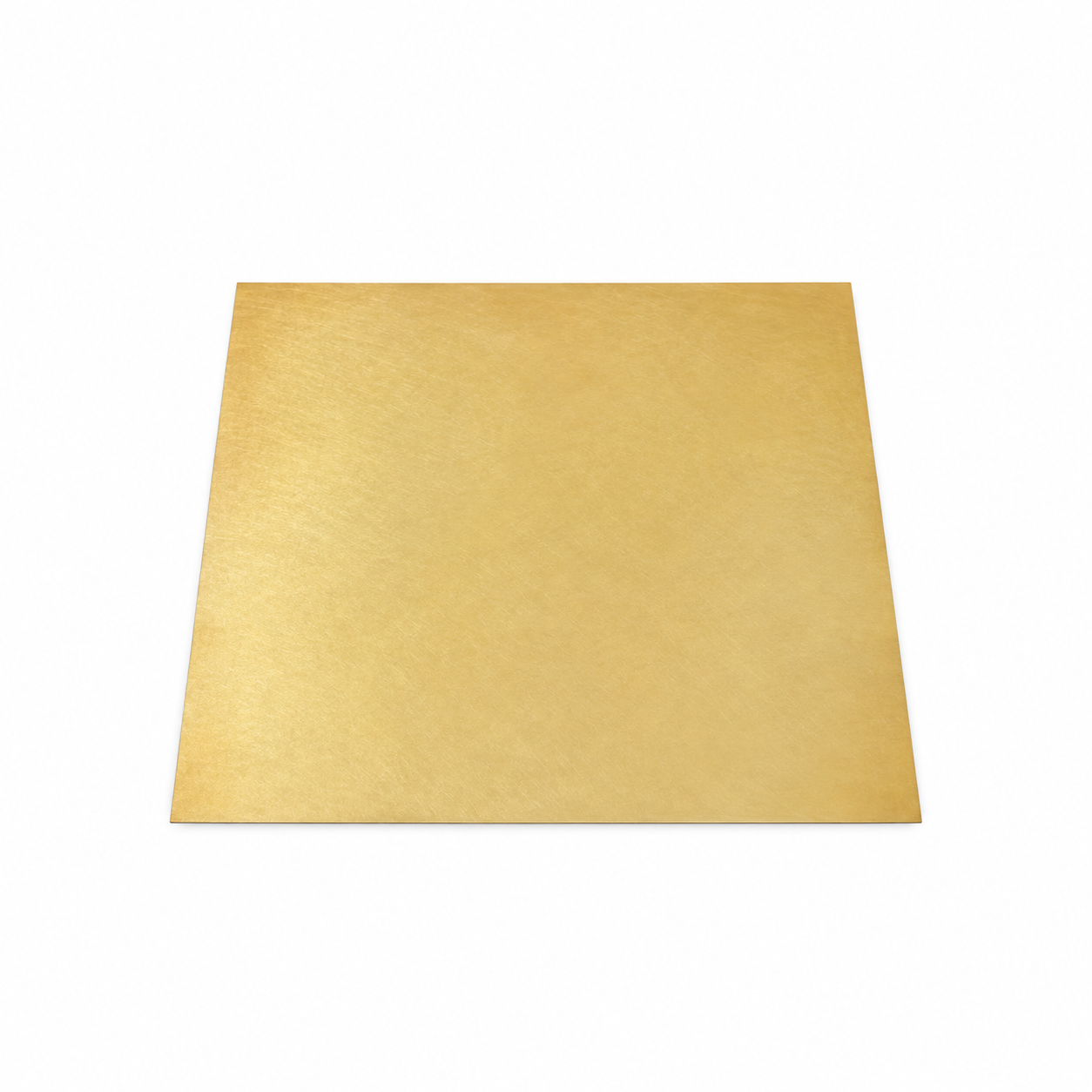
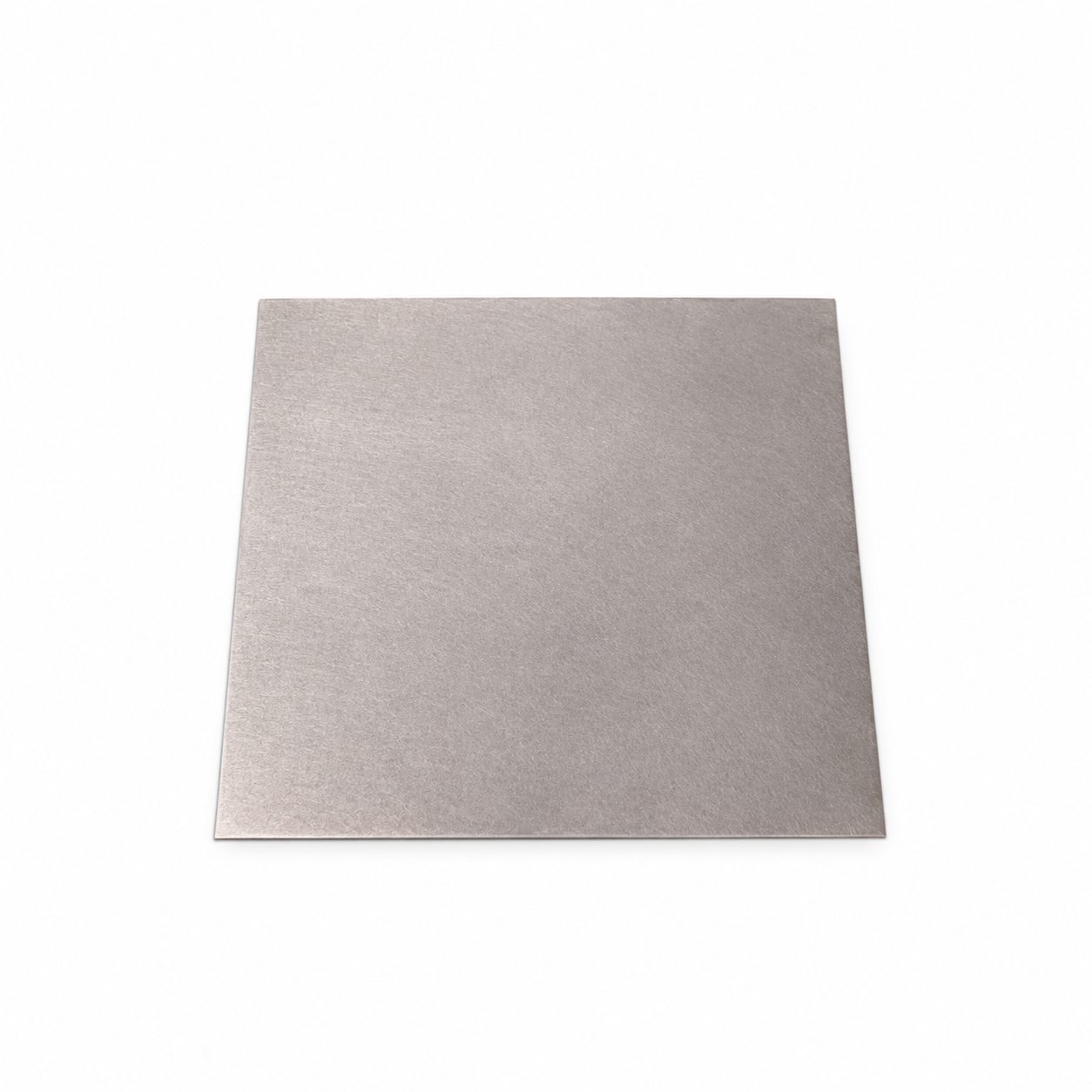
Platinized Titanium Fiber Paper – Hydrogen Thermal Reduction
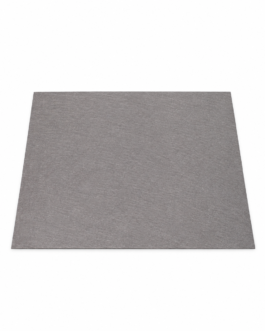
Platinized Titanium Fiber Paper features a high-purity sintered titanium fiber structure with a uniform platinum coating applied through hydrogen thermal reduction.
The coating process provides strong Pt adhesion, excellent conductivity, corrosion resistance, and enhanced electrochemical stability.
With 60–70% porosity and customizable Pt loading of 0.1–10 mg/cm², it enables efficient gas and electrolyte transport.
Ideal for electrolyzer PTLs, battery current collectors, fuel-cell components, and electrocatalysis research.
Description
Research-Grade Platinized Titanium Fiber Paper
Platinized Titanium Fiber Paper is a high-performance porous titanium material designed for demanding electrochemical applications. The material is produced using a controlled hydrogen-assisted thermal treatment process that promotes consistent platinum deposition and strong bonding with the titanium fiber network.
The resulting structure combines high electrical conductivity, controlled porosity, corrosion resistance, and stable platinum integration, making it well-suited for electrolyzer porous transport layers (PTLs), battery current collectors, and electrochemical research.
🔹 Key Product Features
- Choice of Thickness: Available in 0.2, 0.4, 0.6, and 0.8 mm thicknesses to accommodate different cell and electrode configurations.
- High Open Porosity: 60–70% porosity provides pathways for efficient liquid and gas movement through the porous structure.
- Customizable Platinum Loading: Platinum loading can be selected from 0.1 to 10 mg/cm², depending on the intended electrochemical application.
- Controlled Platinum Coating Thickness: Available platinum layer thicknesses of 0.5, 1, and 2 μm allow optimization between surface coverage, conductivity, material utilization, and durability.
🔹 Hydrogen-Assisted Thermal Treatment
The hydrogen thermal treatment route is designed to improve the integration of the platinum layer with the underlying titanium fiber framework.
Key benefits include:
- Improved Coating Adhesion: Stronger attachment of platinum to the titanium substrate can help minimize coating degradation during extended operation.
- Stable Electrochemical Performance: A more uniform platinum distribution provides consistent active surface characteristics.
- Enhanced Surface Stability: The treatment contributes to improved resistance to degradation under demanding electrochemical operating conditions.
- Efficient Catalytic Interface: The engineered platinum–titanium interface supports effective electron transfer and catalytic reactions.
🔹 Engineered Porous Structure
The titanium fiber network is designed to provide a combination of mechanical integrity, electrical pathways, and interconnected pores. The porous architecture facilitates the movement of water, electrolytes, and generated gases, while the continuous conductive framework supports effective current collection.
🔹 Advantages of Titanium Fiber Paper
- High Oxidation Resistance: Titanium remains stable in strongly oxidative environments where conventional carbon-based porous materials may undergo oxidation and ultimately form CO₂.
- Excellent Electrical Conductivity: The interconnected sintered titanium fibers provide continuous conductive pathways and support efficient current distribution.
- Robust Porous Framework: The metallic fiber structure provides mechanical strength while maintaining interconnected porosity.
- Application Flexibility: Thickness, fiber dimensions, platinum loading, coating thickness, and sheet size can be adapted to specific research and engineering requirements.
🔹 Technical Specifications
| Parameter | Specification |
|---|---|
| Material | Platinized Titanium Fiber Paper |
| Thickness | 0.2 / 0.4 / 0.6 / 0.8 mm |
| Porosity | 60–70% |
| Titanium Fiber Diameter | 25–50 μm |
| Fiber Length | 35 / 70 mm |
| Platinum Loading | 0.1–10 mg/cm² |
| Platinum Layer Thickness | 0.5 / 1 / 2 μm |
| Standard Sheet Sizes | 5 × 5 cm, 10 × 10 cm, 20 × 20 cm |
| Customization | Available upon request |
🔹 Typical Applications
Electrolyzer Porous Transport Layers (PTL)
The combination of interconnected porosity, metallic conductivity, and oxidation resistance makes the material suitable for porous transport applications in water electrolysis. Its structure can facilitate reactant delivery, product-gas removal, water transport, and electrical current collection.
Battery Current Collectors
The conductive titanium framework can be used as a current-collecting substrate in selected battery and electrochemical energy-storage configurations where corrosion resistance and structural stability are important.
Electrochemical Research
Suitable for laboratory-scale investigations involving electrocatalysis, electrode development, water electrolysis, capacitor systems, and other electrochemical interfaces.
🔹 Designed for Research and Advanced Electrochemical Systems
Ouveim® Platinized Titanium Fiber Paper combines a titanium-based porous conductive network with a controlled platinum surface layer, providing researchers with a customizable platform for investigating advanced electrochemical systems. Multiple thicknesses, porosity characteristics, platinum loading levels, and sheet dimensions enable the material to be configured for different experimental and cell-design requirements.
Reviews
There are no reviews yet.